Choosing a Yoga Wear supplier is more than comparing unit prices. A low quote can hide inconsistent sizing, thin fabric, or lead times that shift after an order is placed. Start with the product itself: request fabric composition, weight, stretch and recovery details, and care instructions. Then inspect physical samples. Check seams at the waistband, opacity during a squat, and whether colors remain stable after washing. Small tests matter.
A dependable supplier should explain its sampling process, minimum order quantities, production capacity, quality checks, and expected timelines in clear terms. Ask who verifies measurements and how defects are recorded. For garments designed for repeated movement, fabric recovery and seam strength deserve close attention. A polished catalog is not proof of consistent production. Request current references or product documentation where appropriate, and verify any certification’s issuer, scope, and validity. Details count.
The best fit depends on your brand’s needs. One supplier may offer flexible customization but longer lead times; another may be faster but have fewer fabric choices. Compare communication, sample quality, reorder consistency, and total costs—not only the first quote. No supplier is perfect. Build in time to test samples, clarify specifications, and review a small order before scaling up. A careful choice can support more reliable products and fewer avoidable surprises.
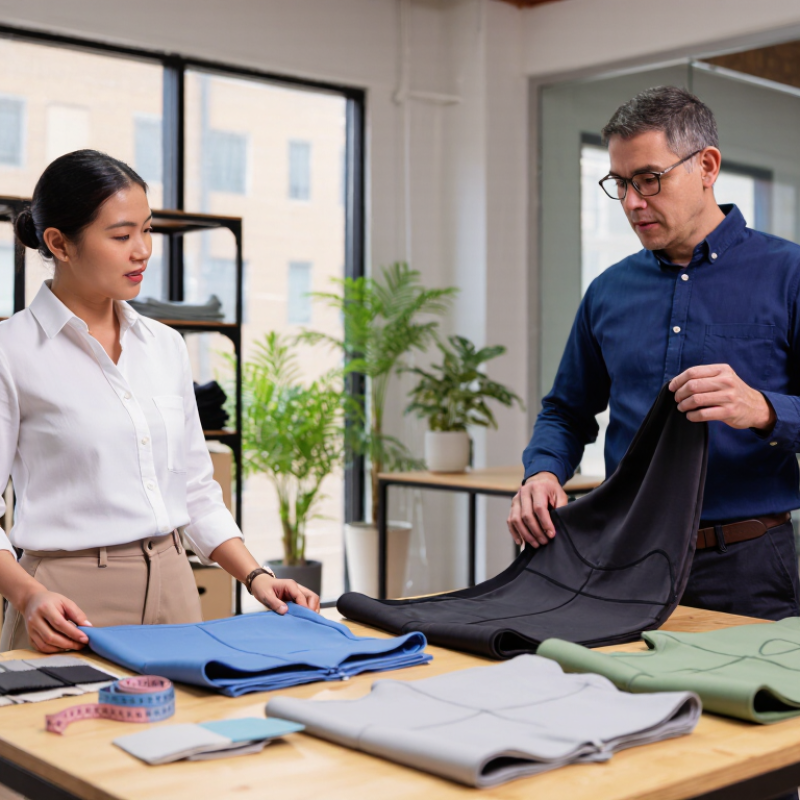
Before contacting a yoga wear supplier, define who will wear the garments and how they will use them. A studio beginner may want soft, opaque leggings for gentle classes. Hot-yoga customers may prioritize quick-drying fabric and secure seams. List product types, fabric feel, support level, size range, colors, and target price. Be specific. “Comfortable” means little without details.
Map your target market through practical observations: local climate, popular class styles, customer budgets, and fit preferences. If customers often move between studio and street, pockets and versatile colors may matter. If you sell online, clear size guidance and consistent measurements become especially important. Avoid treating one sample customer as the whole market. Your first assumptions may be wrong.
Turn these needs into supplier questions. Ask about fabric composition, size grading, sample availability, minimum order quantities, and production timelines. Request samples and check opacity in daylight, seam comfort during movement, and recovery after washing. Keep notes; memory is unreliable. A low price can look attractive, but it may not suit your customers if the fit or fabric disappoints. Define what you are willing to compromise on—and what you are not.
Evaluate a supplier’s expertise through specific questions about fabric weight, stretch recovery, opacity, and seam construction. A knowledgeable team can explain how a four-way-stretch fabric performs during deep squats, not just describe it as “soft.” Ask how they test garments and request clear specifications for each style. Check sample stitching, waistband stability, and whether the fabric turns sheer under tension. Details matter.
A useful product range should cover the pieces your customers actually need, such as leggings, sports bras, and lightweight layers. Compare fabric options, size grading, and available colors. Then look closely at customization: Can the supplier adjust a waistband, add a pocket, or develop a color from a reference swatch? Confirm minimum order quantities, sample fees, and timelines in writing. A broad catalog is not automatically a better fit.
Tips: Request samples in more than one size. Wash and wear them, then check for pilling, fading, and stretched seams. Ask for a pre-production sample before approving a larger order. Keep notes and photos. A polished sample can still differ from a production run, so agree on measurable standards. No checklist removes every risk, and a supplier may not meet every request; notice how clearly they discuss limitations.
Choosing a yoga wear supplier starts with the fabric, not the sales pitch. Textile Exchange’s 2024 Materials Market Report estimates that global fiber production reached 124 million tonnes in 2023 and may rise to 160 million tonnes by 2030. The figures show the scale of textile production, not the quality of any one supplier. Check each batch.
Ask for current lab reports covering fiber composition, fabric weight, colorfastness, pilling, shrinkage, and stretch recovery. For skin-contact safety, request chemical test results linked to the exact fabric, dye, and production lot. Review certifications such as the Global Organic Textile Standard or STANDARD 100 by OEKO-TEX, and verify that the certificate covers the supplier, facility, and product in question. A certificate can reassure, but it is not the whole answer. Paper is not proof.
Request a sample from the intended production run, then wash and wear it. Check whether dark dye transfers onto a pale towel, seams twist, or elastic loses its snap. These details matter in leggings that must stay opaque during a deep bend. I would not treat one successful sample as a guarantee; production batches can vary, and that is worth admitting. Compare the sample with the test reports before placing a larger order.
When choosing a yoga wear supplier, compare the full cost, not just the quoted price per piece. Request itemized quotes covering sample fees, labels, packaging, and shipping. Ask whether prices change at different order quantities. A low minimum order may cost more per garment, while a larger order can tie up cash in sizes that sell slowly. For example, compare the cost of 100 units with 300, then check how each option affects your budget and storage space. The cheapest quote is not always the best fit.
Tips: Ask for the minimum order per style and color. Confirm whether sizes can be mixed. Get payment terms and any extra fees in writing.
Delivery capability deserves equal attention. Ask for a realistic production timeline, including sample approval, fabric sourcing, and quality checks. Request recent examples of lead times, but treat estimates as estimates; delays happen. Find out how the supplier handles partial shipments or production issues, and whether shipment tracking is provided. A clear update schedule can help you plan product launches and restocks. Still, even a detailed schedule cannot remove every uncertainty, so leave room between the promised arrival date and your selling date.
A strong yoga wear supplier should be easy to reach before an order, not only when payment is due. Ask specific questions about fabric weight, stretch recovery, stitching, and production timelines. Notice whether answers are clear and consistent. “We’ll check and reply tomorrow” can be a good answer, if the supplier actually follows up.
Reliability shows up in small details. Request a sample and inspect its seams, waistband, and feel after washing. Compare the sample with the written specifications. Keep a record of agreed changes, delivery dates, and quality checks. A polished sales conversation means little if measurements shift between sample and bulk production. Small details matter.
Long-term fit takes more than a low price. Discuss how the supplier handles a delayed fabric shipment, a defect, or a change in order volume. Their response reveals whether problem-solving is practical or merely reassuring. It is tempting to judge a supplier after one smooth order; that can be premature. Review communication and consistency over time, and be honest about your own needs. A supplier cannot be a good fit if expectations remain vague on either side.
Assess Communication, Reliability, and Long-Term Fit
Suggested evaluation weights add up to 100%. Prioritize product quality and reliability, while also assessing communication, compliance, and the potential for a lasting partnership. Adjust the weights to match your business needs.
Ask about fabric weight, stretch recovery, opacity, and seam construction. A knowledgeable team should explain how fabric performs during deep squats. Details matter.
Inspect the seams and waistband, then wash and wear the garment. Look for pilling, fading, stretched seams, or fabric turning sheer. Keep photos and notes.
Check whether the range includes leggings, sports bras, and lightweight layers in useful sizes and colors. Ask about waistband changes, pockets, and custom colors. Confirm fees and timelines in writing.
Different sizes can reveal problems with fit or fabric stretch. Compare each sample with the written specifications. I might still miss something, so measure carefully.
Request itemized quotes for garments, samples, labels, packaging, and shipping. Compare 100 units with 300, including storage costs and slow-selling sizes. The lowest quote may not be the best value.
Ask for minimum quantities per style and color, and whether sizes can be mixed. Get payment terms and extra fees in writing. No surprises, ideally.
Request a realistic timeline covering sampling, fabric sourcing, production, and quality checks. Ask about tracking, partial shipments, and delay updates. Leave a buffer before your selling date.
Notice whether answers are clear and follow-up happens when promised. Discuss how defects, delayed fabric, and changing order volumes are handled. One smooth order proves little; review consistency over time.
Choosing the best Yoga Wear supplier starts with a clear understanding of your product requirements and target customers. Consider the styles, sizes, fabrics, price points, and performance features your market expects. Then assess each supplier’s experience, product range, and ability to customize designs, colors, labels, or packaging to suit your needs.
Before making a decision, check fabric quality, comfort, durability, and relevant safety standards or certifications. Compare prices alongside minimum order quantities, production timelines, shipping options, and the supplier’s ability to meet delivery commitments. Finally, evaluate how promptly and clearly the supplier communicates and whether they can support your business as it grows. A careful review of these factors can help you build a reliable, long-term partnership and offer Yoga Wear that fits both your customers and your business goals.