Blog
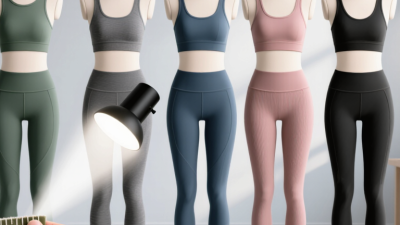
How to Source the Best Yoga Outfits in 2026?
Sourcing Yoga Outfits in 2026 takes more than choosing a soft fabric and a flattering color. Buyers need to examine stretch recovery, opacity, seam strength, and how each garment feels after repeated washing. Vivienne Westwood’s well-known advice, “Buy less, choose well, make it last,” offers a useful sourcing principle. It shifts attention from seasonal buzz to garments customers will actually wear. A squat test under bright light can reveal transparency that a studio photo hides. Small checks matter.
Start with a clear product brief. Specify fabric composition, weight, fit, size range, target price, and performance needs before requesting samples. Ask suppliers for test results and traceable information about materials and production. Certifications may help, but verify their scope and current validity rather than relying on a logo. Compare samples after movement and washing, not just straight from the package. Keep notes. A smooth waistband can still roll during a long flow.
This guide explores how to assess manufacturers, compare fabrics, request samples, and weigh minimum order quantities against quality and cost. It also considers recycled fibers, lead times, and supply-chain transparency without treating any single claim as proof of sustainability. Trade-offs remain: a fabric may feel cool but pill quickly, or recover well while costing more. That deserves honest review. The best Yoga Outfits are not automatically the cheapest or the most technical. They fit the intended practice, meet clearly defined standards, and deliver consistent quality customers can trust.
Read more »
 By:Clara
- November 28, 2026

Top Yoga Clothing Manufacturers for Global Buyers
Choosing a Yoga Clothing manufacturer is not only about finding attractive designs or a low unit price. Global buyers also need dependable production, clear communication, and products that perform across different body types and training routines. The right supplier should explain fabric composition, sizing, minimum order quantities, and expected lead times without making every answer sound effortless.
For activewear, practical checks matter. Ask for samples and examine seam strength, stretch recovery, opacity during movement, and how fabric feels after washing. A squat test under bright light can reveal problems that product photos will not. Request relevant quality documents, then verify their scope and validity rather than relying on a logo alone. Small details count.
No supplier is perfect. A low quote may come with limited customization, while a polished catalog may hide inconsistent sizing or slow replies. Buyers should compare sample quality, production capacity, quality-control processes, and shipping arrangements before committing to a large order. Requirements vary by market, so confirm applicable labeling and product standards with qualified local advisers.
This guide introduces manufacturers serving international buyers and highlights practical points for evaluating them. It is a starting point, not a substitute for factory checks or direct discussions. Ask specific questions, keep written records, and test a production sample when possible. That extra care can prevent costly surprises—and sometimes reveal that a promising supplier is not the right fit.
Read more »
 By:Elliot
- November 24, 2026
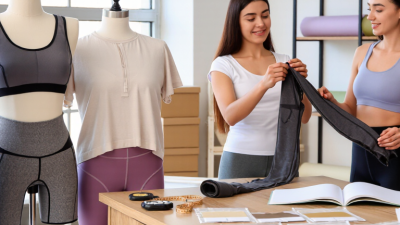
Top Yoga Apparel Manufacturers for Global Buyers
Choosing the right Yoga Apparel manufacturer involves more than comparing prices or browsing polished product photos. Global buyers need partners who can deliver consistent fit, dependable communication, and clear production details. A soft pair of leggings may look convincing online, yet fabric recovery, seam strength, and opacity matter during real movement. Small details show up quickly.
This guide introduces manufacturers for different sourcing needs, from private-label collections to custom designs and larger production runs. It considers product range, fabric options, sample development, minimum order quantities, quality checks, and lead-time communication. Buyers should ask how suppliers test stretch fabrics, inspect stitching, and handle changes between samples and bulk orders. Specific answers are more useful than broad promises. Still, no supplier is perfect for every brand. A factory suited to a large seasonal order may not fit a small label testing its first collection. That trade-off deserves a closer look.
Use the profiles as a starting point, not a substitute for due diligence. Request current samples, confirm specifications in writing, and compare the finished garments against your own requirements. Ask who oversees inspections and how concerns are documented. These steps can reveal gaps before production begins. They take time. The right manufacturing relationship is built through evidence, careful questions, and realistic expectations—not a catalog alone.
Read more »
By:Elliot
- November 24, 2026
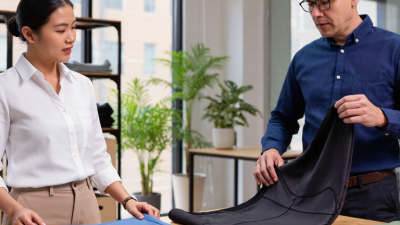
How to Choose the Best Yoga Wear Supplier?
Choosing a Yoga Wear supplier is more than comparing unit prices. A low quote can hide inconsistent sizing, thin fabric, or lead times that shift after an order is placed. Start with the product itself: request fabric composition, weight, stretch and recovery details, and care instructions. Then inspect physical samples. Check seams at the waistband, opacity during a squat, and whether colors remain stable after washing. Small tests matter.
A dependable supplier should explain its sampling process, minimum order quantities, production capacity, quality checks, and expected timelines in clear terms. Ask who verifies measurements and how defects are recorded. For garments designed for repeated movement, fabric recovery and seam strength deserve close attention. A polished catalog is not proof of consistent production. Request current references or product documentation where appropriate, and verify any certification’s issuer, scope, and validity. Details count.
The best fit depends on your brand’s needs. One supplier may offer flexible customization but longer lead times; another may be faster but have fewer fabric choices. Compare communication, sample quality, reorder consistency, and total costs—not only the first quote. No supplier is perfect. Build in time to test samples, clarify specifications, and review a small order before scaling up. A careful choice can support more reliable products and fewer avoidable surprises.
Read more »
By:Elliot
- November 24, 2026