0%

Choosing a Yoga Clothing manufacturer is not only about finding attractive designs or a low unit price. Global buyers also need dependable production, clear communication, and products that perform across different body types and training routines. The right supplier should explain fabric composition, sizing, minimum order quantities, and expected lead times without making every answer sound effortless.

For activewear, practical checks matter. Ask for samples and examine seam strength, stretch recovery, opacity during movement, and how fabric feels after washing. A squat test under bright light can reveal problems that product photos will not. Request relevant quality documents, then verify their scope and validity rather than relying on a logo alone. Small details count.

No supplier is perfect. A low quote may come with limited customization, while a polished catalog may hide inconsistent sizing or slow replies. Buyers should compare sample quality, production capacity, quality-control processes, and shipping arrangements before committing to a large order. Requirements vary by market, so confirm applicable labeling and product standards with qualified local advisers.

This guide introduces manufacturers serving international buyers and highlights practical points for evaluating them. It is a starting point, not a substitute for factory checks or direct discussions. Ask specific questions, keep written records, and test a production sample when possible. That extra care can prevent costly surprises—and sometimes reveal that a promising supplier is not the right fit.
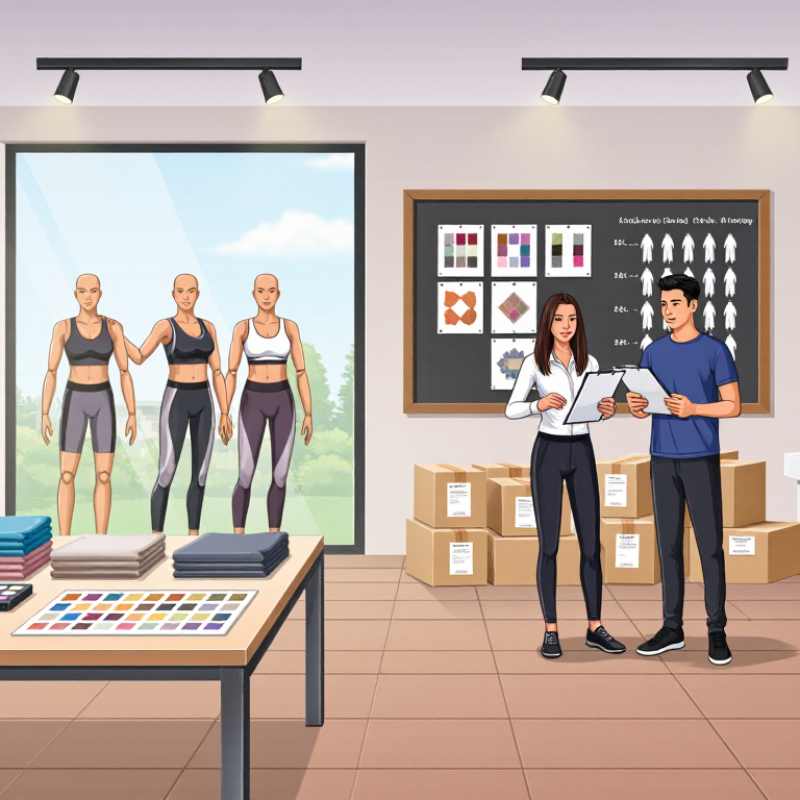
Top Yoga Clothing Manufacturers for Global Buyers

Understanding the Role of Yoga Clothing Manufacturers in Global Supply Chains

Top Yoga Clothing Manufacturers for Global Buyers

Understanding the Role of Yoga Clothing Manufacturers in Global Supply Chains

Yoga clothing manufacturers connect fiber suppliers, mills, dye houses, trim vendors, and sewing facilities. Their work extends beyond stitching. They coordinate fabric performance, color consistency, size grading, production capacity, and shipping schedules across multiple handoffs. A delayed stretch-fabric shipment can leave cutting tables idle, even when sewing teams are ready. Details matter: waistband recovery, seam comfort, and opacity after repeated stretching.

Reliable partners document material specifications and sample approvals, then check bulk goods against them. They monitor shrinkage, shade variation, stitching strength, and packing accuracy. They also share realistic lead times and flag constraints early, giving buyers room to adjust quantities or launch dates. Clear records help trace a fabric lot when a defect appears. Still, no forecast is perfect. A neat spreadsheet may hide a late dye lot or rushed approval. Communication helps, but it cannot replace physical inspections and clear acceptance criteria.

Tips: Ask how each material moves from mill to finished garment. Request a production calendar covering approvals, cutting, sewing, inspection, and dispatch. Confirm test methods and tolerances in writing. Compare pre-production samples with bulk pieces under similar lighting and movement. Keep buffer time for corrections. A little caution may feel excessive, but missed details can be costly.

Key Criteria for Comparing Yoga Clothing Manufacturers

When comparing yoga clothing manufacturers, look beyond sample appearance. A soft legging can still lose shape after repeated stretches or turn sheer under studio lighting. Ask for fabric composition, GSM, stretch recovery, shrinkage, pilling, and colorfastness test results. Numbers matter. Request reports tied to the actual fabric lot, not a similar material from an earlier order.

Material claims deserve careful checking. Textile Exchange’s Materials Market Report 2024 estimates global fiber production reached 124 million tonnes in 2023 and could rise to 160 million tonnes by 2030. Ask manufacturers to identify fiber sources and explain how recycled-content or organic claims are verified. A certificate is useful, but its scope and validity matter. I have seen sourcing conversations get stuck on attractive labels; the paperwork can be less clear than the sample.

Production ability is another key comparison point. Request the minimum order quantity, sample timeline, monthly capacity, and a realistic delivery schedule. Ask how the factory handles size grading, color variation, and defects, then review a pre-production sample against a written specification. Ask for proof. Also check whether communication stays consistent when a detail changes. One imperfect point: a small workshop may offer closer attention, yet still struggle with a sudden volume increase. Compare capacity with your forecast, not just the quoted price.

Leading Yoga Clothing Manufacturers and Their Production Strengths

Yoga clothing manufacturers often specialize in different production methods. Cut-and-sew factories can handle varied silhouettes, panel placement, and custom sizing. Seamless facilities use knitting equipment to create garments with fewer joins and smooth, close-fitting shapes. The right choice depends on the product, not just the factory’s stated capacity.

Fabric expertise matters. Ask how suppliers test stretch recovery, opacity, and colorfastness after washing. A useful sample review includes deep squats, overhead reaches, and repeated wear. Check whether seams lie flat and waistbands stay put. Small details count. A sample can still mislead if it uses a different fabric lot from bulk production, so confirm material specifications before approval.

Production strengths also include sampling speed, order flexibility, and inspection routines. Large facilities may manage substantial runs, while smaller teams can sometimes adjust patterns more directly. Neither is automatically better. Request a clear timeline, size-set samples, and inspection records for stitching, measurements, and defects. Then compare the answers with what the factory can document. Communication can falter, even with a promising supplier; written specifications help expose gaps before they reach finished garments.

Materials, Certifications, and Customization Options to Consider

When comparing yoga clothing manufacturers, start with the fabric, not the sample’s first impression. A soft hand feel can hide poor recovery after repeated stretching. Ask for fiber content, fabric weight, and test results for colorfastness and pilling. Recycled polyester may dry quickly, while cotton blends can feel cooler but hold moisture longer. The right choice depends on the studio, climate, and movement.

Certifications can help buyers check specific claims, but they are not interchangeable. Request current certificates and confirm which facilities and materials they cover. For example, a textile safety certificate may address harmful substances, while a social compliance audit examines workplace practices. Check the issuing organization and expiry date. Paperwork matters.

Customization needs the same practical scrutiny. Discuss size grading, seam placement, waistband height, and whether prints remain clear on stretched fabric. Ask for a pre-production sample in the intended material, then wash it and test it through a full class. Small details show up fast. A pocket may pull at the hip; a seam may rub during twists. I would not assume one sample proves consistent bulk production. Ask how the factory checks measurements and fabric shade across batches, and agree on acceptable tolerances before ordering.

Textile Certification: Minimum Fiber-Content Thresholds

These thresholds refer to different material claims: GRS and RCS cover recycled content, while GOTS covers organic fiber content. They are not interchangeable measures. Buyers can use them to compare certification requirements when evaluating materials and customization options with manufacturers.

Sources: Textile Exchange: GRS, Textile Exchange: RCS, GOTS: The Standard.

How Global Buyers Can Select and Verify a Manufacturing Partner

Choosing a yoga clothing manufacturer takes more than comparing prices and product photos. Ask how the team handles stretch fabrics, flatlock seams, and repeated washing. Request recent production samples in the same fabric and construction planned for your order. Check seam tension, waistband recovery, and opacity under bright light. Small details matter.

Review the factory’s quality-control process, not just its written policy. Ask who inspects garments, when checks happen, and how defects are recorded. A visit can reveal practical details: fabric rolls stored off the floor, clear work instructions, and separate areas for finished goods. If you cannot visit, request a live video walkthrough and dated images. Neither method is perfect. Look for consistency across answers, documents, and samples.

Discuss capacity, lead times, minimum order quantities, and communication routines before confirming production. Ask for a sample timeline and a written process for approving changes. Wear-test samples during movement, then wash them several times; one fitting cannot reveal every weakness. Confirm that labels, measurements, and packaging match your specifications. Keep records of approvals and conversations. Even a careful supplier may miss something, so build in time to review each stage.

FAQS

What should I check when comparing yoga clothing manufacturers?

Ask for fabric composition, weight, stretch recovery, shrinkage, pilling, and colorfastness results. Request reports for the actual fabric lot. Numbers matter.

How can I tell whether leggings will stay opaque?

Test a sample under bright studio lighting and during deep squats. Check the fabric after repeated stretching and washing. One test is not enough.

What production details should I confirm before ordering?

Confirm minimum order quantity, sample timing, monthly capacity, and delivery schedule. Ask how the factory handles size grading, defects, and color variation.

How do cut-and-sew and seamless production differ?

Cut-and-sew production supports varied shapes, panels, and custom sizing. Seamless knitting creates garments with fewer joins and a close fit. Choose for the product.

How should I check recycled or organic material claims?

Ask where the fibers come from and how each claim is verified. Review current certificates, their expiry dates, and the materials they cover. Paperwork matters.

Are fabric certifications and workplace audits the same?

No. A textile safety certificate may cover substances, while a social compliance audit reviews workplace practices. Check the issuing organization and scope.

What should a customization sample include?

Request the intended fabric, size grading, seam placement, waistband height, and print details. Wash it and test it through a full class. Small details show up fast.

Does an approved sample guarantee consistent bulk production?

Not necessarily. The sample may use a different fabric lot. Ask about batch checks for measurements and shade, then agree on tolerances. I would still stay cautious.

Conclusion

Yoga Clothing manufacturers play an important role in global supply chains by turning design concepts into finished products while coordinating materials, production capacity, quality control, and delivery. When comparing potential partners, global buyers should assess experience, manufacturing capabilities, communication, production timelines, quality standards, and the ability to scale orders. Different manufacturers may specialize in particular fabrics, garment construction methods, or order sizes, so the right choice depends on a buyer’s product range and business needs.

Before making a decision, buyers should review material options, available certifications, and customization services such as fabric selection, sizing, colors, and private-label details. They should also verify a manufacturer’s capabilities through clear documentation, product samples, facility information, and agreed quality checks. A careful evaluation helps buyers select a dependable partner whose production strengths, standards, and communication practices align with their expectations, supporting consistent products and a more reliable supply chain.

Elliot

Elliot

Elliot is a professional marketing specialist with a strong understanding of the company’s products, their practical applications, and the needs they are designed to address. He brings this knowledge to the company’s website, where he regularly publishes informative blog articles that help readers......