Featured Wholesale & Custom OEM Activewear Catalog
Tested designs ready for private-label branding, customized colorways, low MOQs, and rapid international fulfillment.
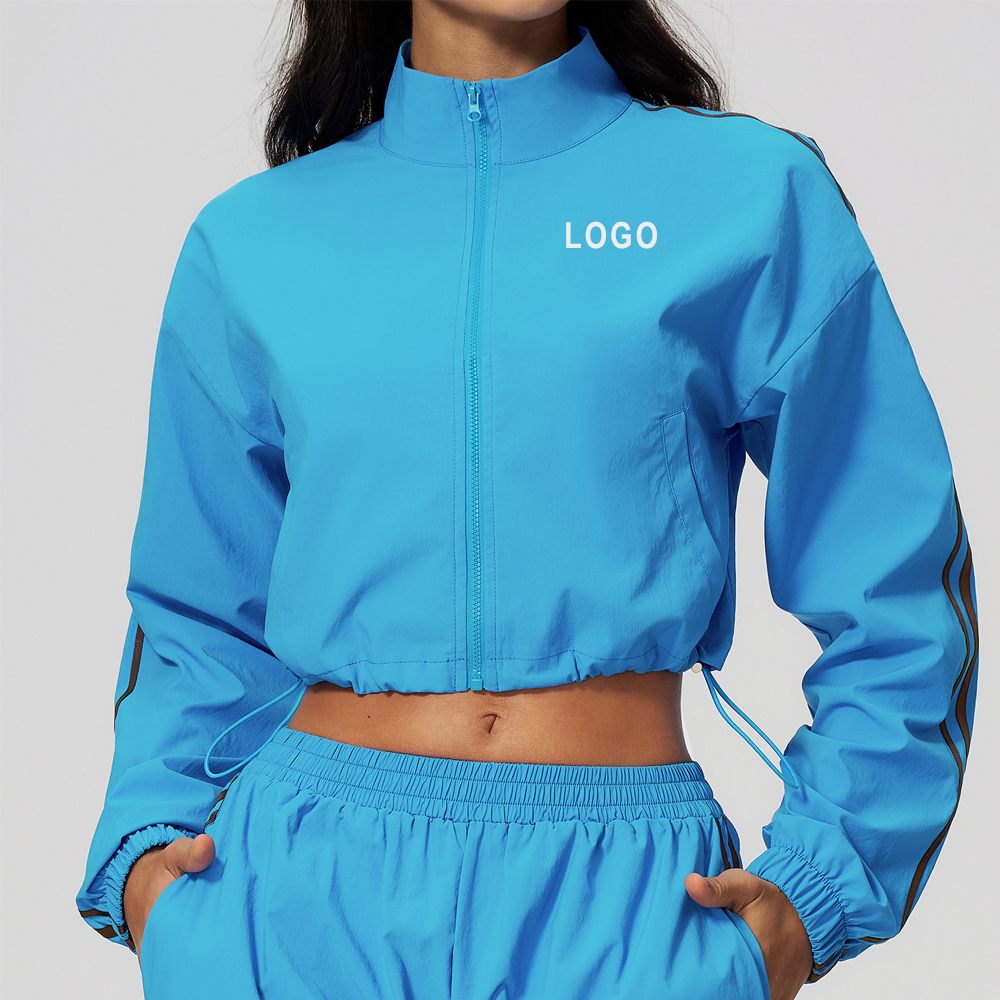
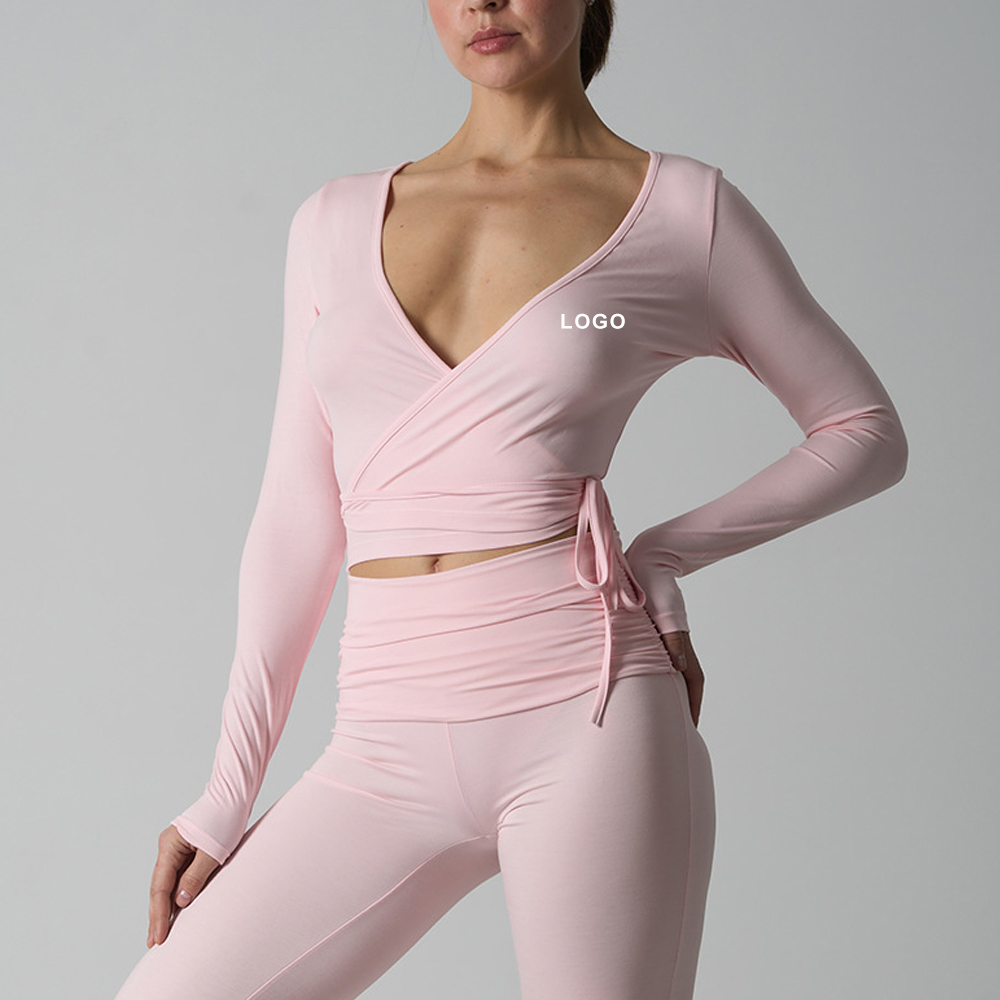

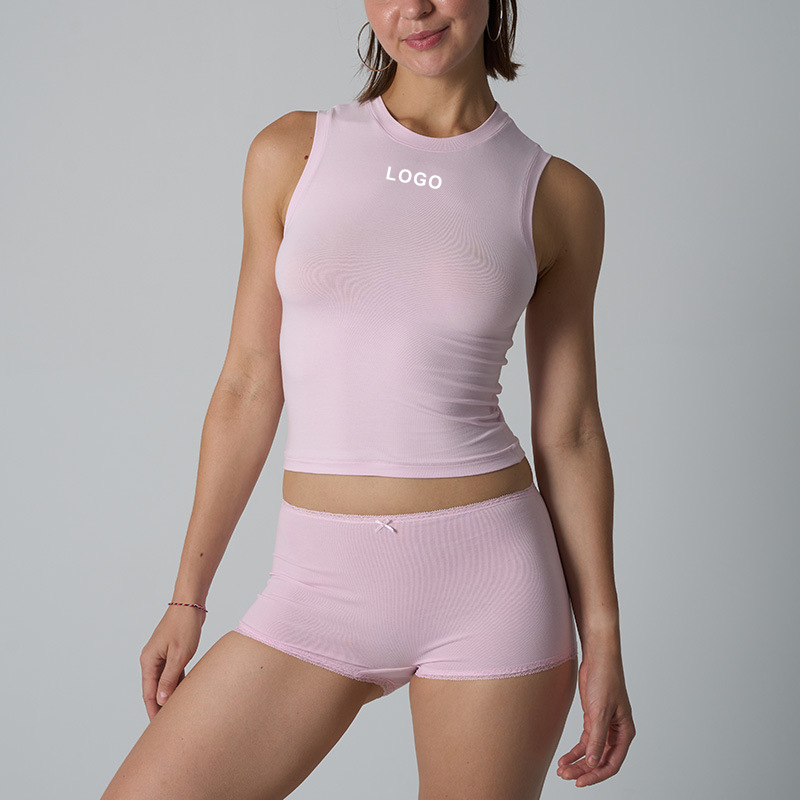

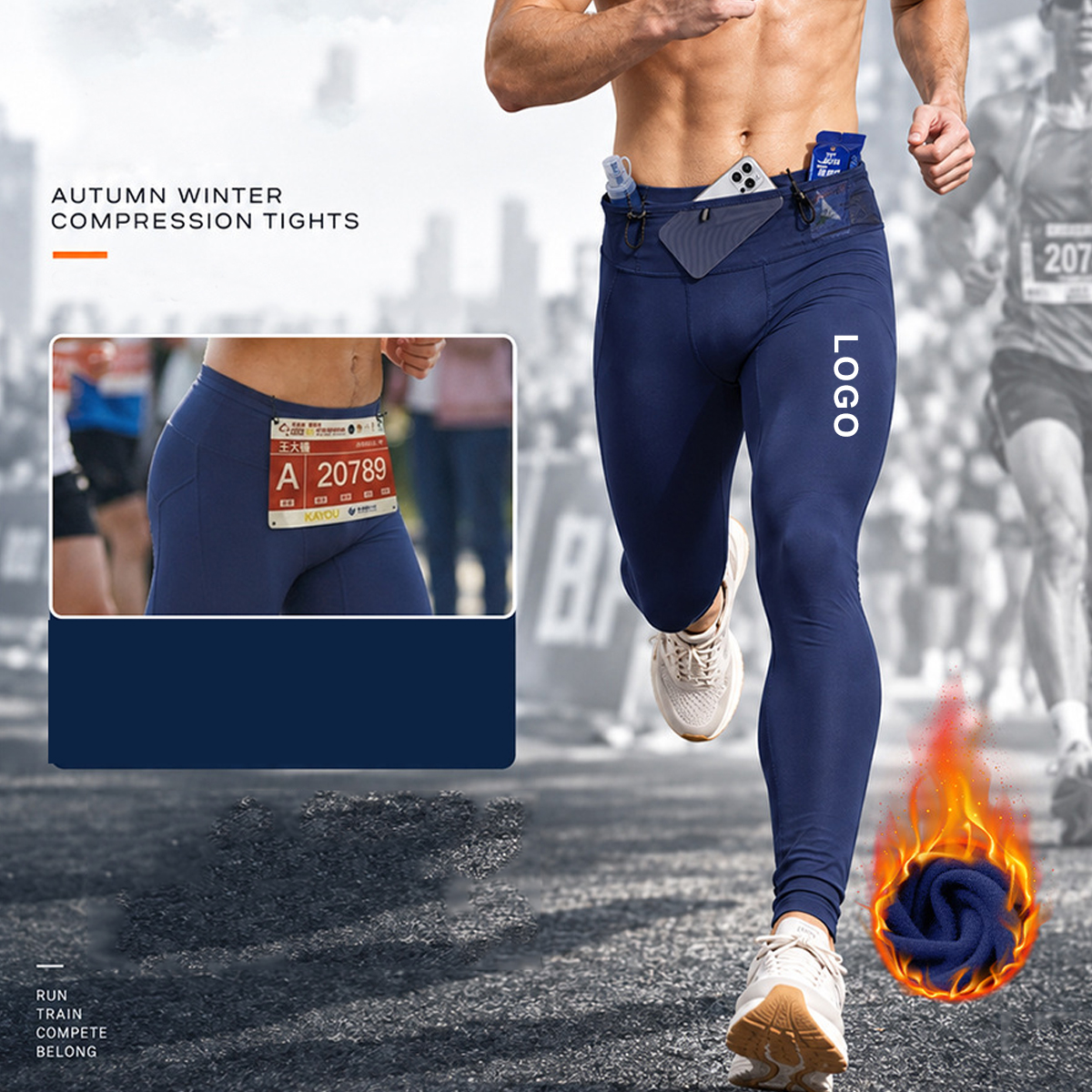


Executive Summary: The Evolution of OEM Activewear & Yoga Wear Sourcing
The global activewear market has underwent a fundamental structural transition. Modern consumers no longer treat yoga wear purely as functional fitness apparel; it has become the core of the global athleisure lifestyle. For brand owners, procurement officers, and e-commerce directors, selecting a high-precision custom OEM yoga wear factory is no longer just about cut-and-sew unit economics. It requires an integrated supply chain capable of delivering advanced textile science, zero-sheer elasticity (squat-proof integrity), precision seam engineering, and rapid design-to-delivery turnarounds.
This technical whitepaper provides an exhaustive procurement breakdown for activewear brands aiming to scale their private-label collections. Drawing upon real-world manufacturing data from Zhongshan PASSIVE Clothing Co., Ltd., we examine fabric polymer ratios, flatlock stitching parameters, quality assurance protocols, and emerging procurement trends for 2026 and beyond.
Key Takeaway for Buyers: A superior activewear manufacturer must balance soft hand-feel (e.g., buttery-soft microfiber brushing) with high elastane recovery forces to prevent sag, shape loss, and color degradation over repeated washing cycles.
Technical Textile Composition & Fiber Physics
In high-grade yoga pants, sports bras, and sculpted bodysuits, fabric engineering determines 70% of consumer satisfaction. The primary material matrix utilized in enterprise OEM production relies on ultra-fine synthetic filament yarns combined with high-grade elastane (Spandex/Lycra).
| Fabric Type | Composition Ratio | GSM Range | Tensile Performance | Best Application |
|---|---|---|---|---|
| Nylon 6.6 / Spandex | 75% Nylon / 25% Spandex | 220 - 300 GSM | Extreme stretch, buttery-soft hand, moisture-wicking | Sculpting Yoga Leggings, Halter Sports Bras |
| Recycled Polyester / Spandex | 80% rPET / 20% Spandex | 240 - 320 GSM | High color fastness, eco-friendly, sublimation ready | Printed Athletic Wear, Running Shorts, Tennis Skirts |
| Seamless Circular Knit | 90% Nylon / 10% Elastane | 280 - 360 GSM | Zonal compression, zero chafing seam construction | 3-Piece Gym Sets, Ribbed Leggings & Tops |
| Modal Cotton Blend | 47% Modal / 47% Cotton / 6% Spandex | 180 - 240 GSM | Natural breathability, ultra-soft drape, thermal stability | Pilates Wrap Tops, Loungewear, Casual Flare Pants |
| Brushed Athletic Fleece | 85% Polyester / 15% Cotton or Spandex | 300 - 380 GSM | Thermal insulation, plush interior touch, shape retaining | Cropped Gym Hoodies, Winter Tracksuit Jackets |
When engineering squat-proof yoga leggings, our factory employs a 32-gauge high-density interlock knitting structure. Standard single-jersey knits stretch thin and become translucent under tension (such as deep squatting or forward folds). Interlock dual-layer knit structures lock light fibers together, maintaining total opacity even when stretched up to 180% of original dimensions.
Enterprise Infrastructure: Zhongshan PASSIVE Clothing Co., Ltd.
Located in the heart of Guangdong’s premier garment industrial cluster in Zhongshan, China, Zhongshan PASSIVE Clothing Co., Ltd. operates as a fully integrated OEM and ODM sportswear manufacturer. With over 8 years of specialized export experience serving boutique brands, private labels, and major importers across North America, Western Europe, Northern Europe, and South America, our facility bridges design creativity with rigorous industrial efficiency.
Agile Prototyping & ODM Collection
We launch over 20+ fresh activewear styles every week. Brands can leverage our ready-to-brand ODM designs or provide custom tech packs for fast-track sample creation within 5-7 working days.
3-Stage QC Quality Assurance
Zero-defect manufacturing policy. Every order passes Inline sewing checks, Pre-Final measurement verification, and Final AQL 2.5 pre-shipment inspections covering seam elasticity, thread trimming, and wash resilience.
Flexible MOQs to Scale
Empowering start-ups and established enterprise buyers alike. Select in-stock high-performance styles start as low as 2 pieces for market testing, with full custom-dyed OEM orders scaling from 200 pieces per style.


Future Sourcing & Manufacturing Trends in Yoga Wear (2026–2030)
As the activewear sector shifts toward smart textiles, sustainable supply chains, and body-sculpting ergonomic fits, procurement managers must adapt their sourcing strategies. Here are four pivotal macro trends driving OEM custom yoga wear manufacturing over the next decade:
1. Sustainable & Recycled Fiber Dominance (GRS Standard)
Global consumer demand for eco-conscious athletic wear is no longer optional. Leading European and North American brands are mandating Global Recycled Standard (GRS) certified yarns. Modern factories utilize ocean-bound plastics, post-consumer PET bottles, and regenerated nylon (Econyl grade) without sacrificing tensile recovery or softness. OEM suppliers must offer eco-dyeing processes certified under OEKO-TEX Standard 100 to eliminate harmful chemicals.
2. Advanced Seamless 3D Knitting & Ergonomic Compression
Seamless technology eliminates lateral side seams, reducing skin chafing during intense movement. Circular knitting machines allow manufacturers to engineer variable compression zones directly into a single continuous piece of fabric—offering targeted lower back support, core tummy control, and hip-lifting (scrunch butt) shaping without inserting separate panels.
3. Functional Hybrid Apparel: Tennis, Pickleball & Athleisure Synergy
Activewear design boundaries have blurred. The rapid rise of tennis skirt fashion, pickleball dresses, and studio-to-street loungewear requires factories to possess versatile production lines. Key features like built-in ball pockets, hidden phone sleeves inside shorts, breathable mesh paneling, and moisture-wicking collars are now essential standard inclusions in technical tech packs.
4. Hyper-Agile Supply Chains & Micro-Batch Scaling
Traditional 180-day apparel supply chain cycles are obsolete. Modern direct-to-consumer (D2C) brands require agile OEM partners capable of launching micro-batches (small test orders) to evaluate social media trends, followed by rapid bulk scaling in 15-20 days upon positive market feedback.
Industrial Quality Assurance Protocol: 3-Stage QC Standard
Defects in activewear—such as broken seams during stretching, uneven waistband elasticity, dye bleed, or sheer opacity—can destroy a brand's market reputation. At PASSIVE Clothing, our strict quality control workflow safeguards every step of production:
Stage 1: Raw Material & Inline Inspection
Every roll of incoming fabric undergoes GSM weight testing, stretch elasticity checks, and Pantone color matching against approved lab-dips. During cutting and sewing, inline checkers monitor 4-needle 6-thread flatlock stitch density (ensuring 12-14 stitches per inch).
Stage 2: Pre-Final Inspection & Stretch Testing
Once garments are assembled, sample pieces undergo mechanical stretch-and-recovery tests. Technicians inspect key measurement points against size charts, verify heat-transfer logo placement durability after stretch, and conduct squat-opacity light tests.
Stage 3: Pre-Shipment Packaging & AQL 2.5
Before final boxing, random sampling is conducted per ISO AQL 2.5 standards. Inspections verify swing tags, barcodes, custom poly bag printing, carton bursting strength, loose thread removal, and clean steam pressing.
Enterprise Activewear Procurement FAQ
Common questions from overseas brand owners, sourcing directors, and wholesale buyers regarding our OEM/ODM manufacturing capabilities.
Partner with a Leading China Activewear Manufacturer
Transform your activewear concept into commercial reality. Contact our technical merchandising team today for instant quotes, fabric swatches, and private-label digital catalogs.
Get Catalog