
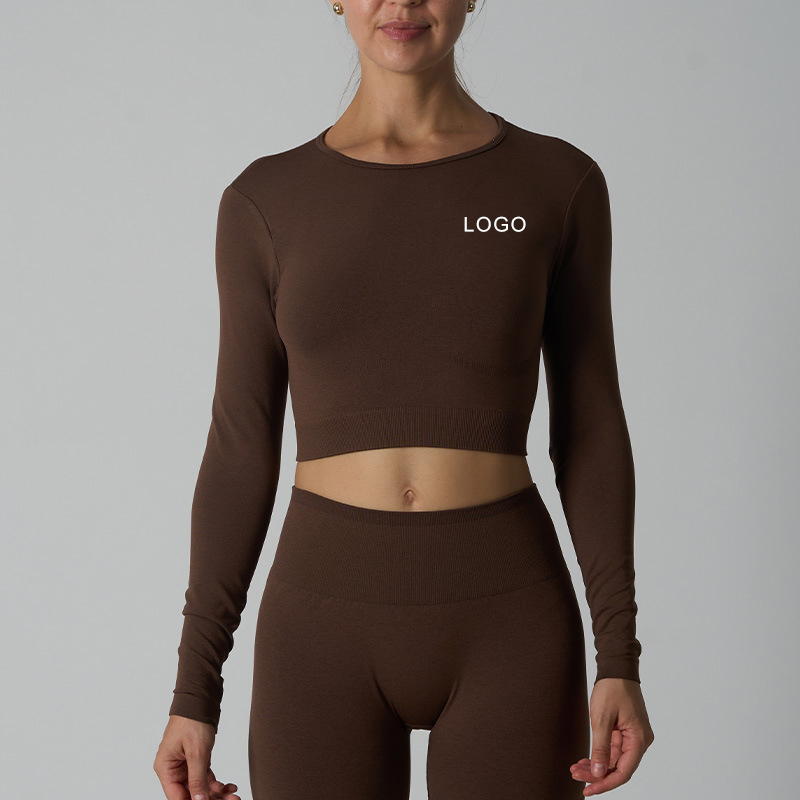


1. Seamless Yoga Leggings Industry Standard & Technical Architecture
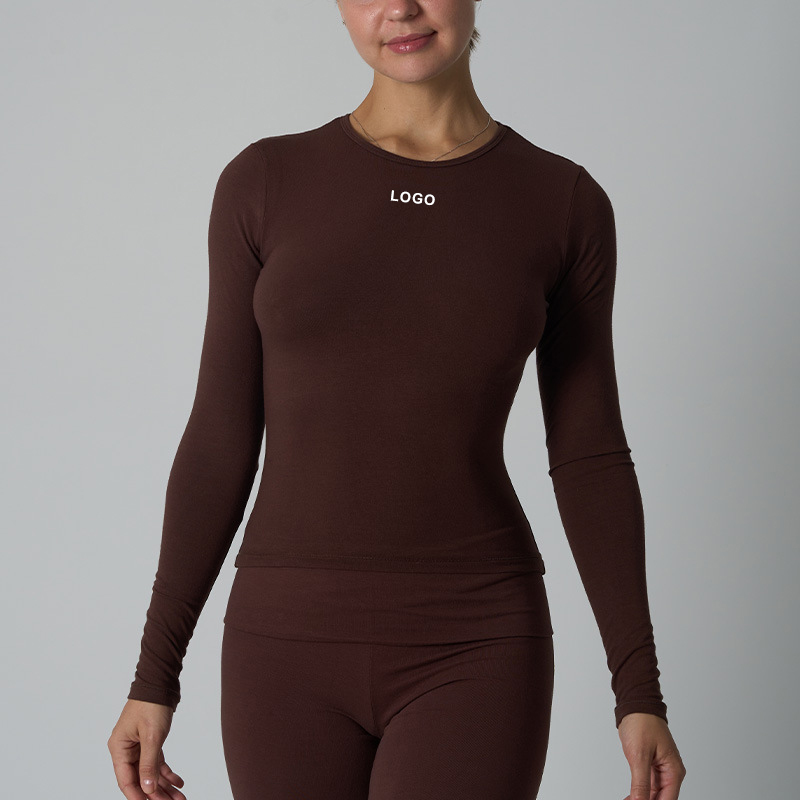
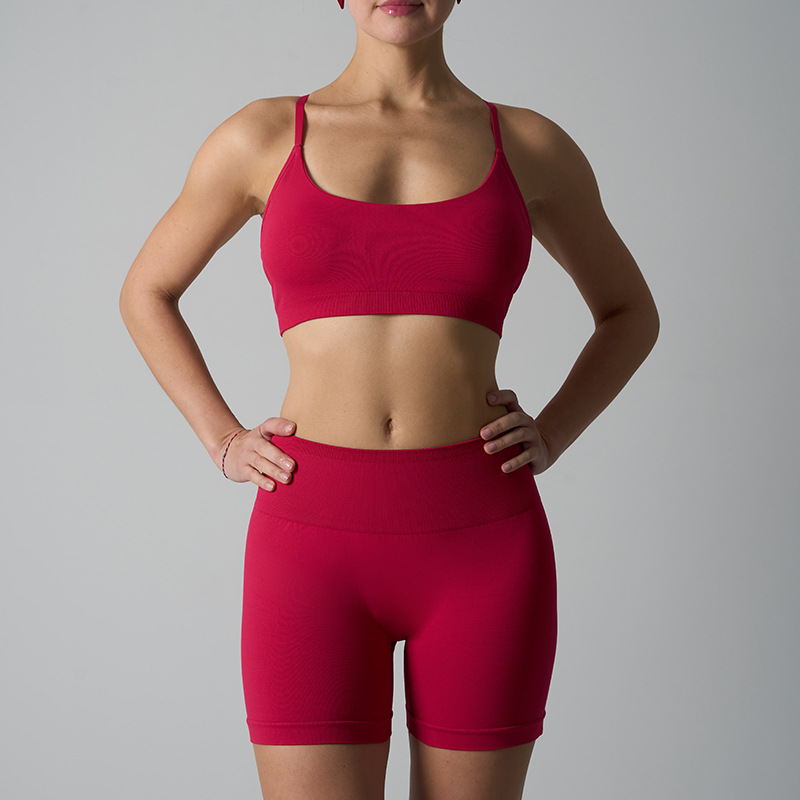
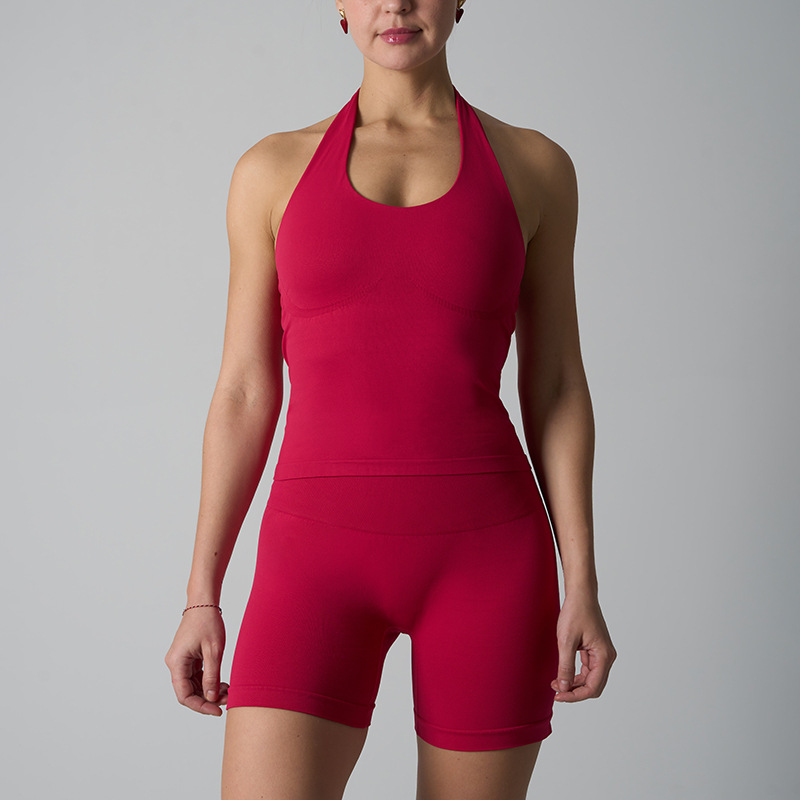
The contemporary performance activewear sector has experienced a fundamental shift driven by advancements in seamless knitting technology. Unlike traditional cut-and-sew manufacturing, which relies on joining flat fabric panels via T-seams or flatlock stitching, seamless apparel production utilizes specialized tubular circular knitting machines—predominantly manufactured by industry leaders such as SANTONI. This approach eliminates lateral seams, thereby minimizing skin friction, improving tear-strength along wear points, and providing multi-directional elastic recovery.
For B2B buyers, private-label fitness brands, and procurement directors, identifying a qualified seamless yoga leggings supplier & wholesaler requires an evaluation of raw material composition, machine gauge capabilities, structural density (measured in Grams per Square Meter or GSM), and targeted muscular compression zoning.
Technical Specs Comparison for B2B Sourcing
| Material Composition | GSM Range | Knitting Machine Gauge | Elasticity & Recovery | Primary Application |
|---|---|---|---|---|
| 80% Nylon 6.6 / 20% Elastane | 290 - 320 GSM | 34G - 36G High Fine | Four-Way Stretch / 98% Recovery | High-Performance Yoga & Pilates |
| 75% Recycled Polyester / 25% Spandex | 280 - 310 GSM | 28G - 32G Standard | High Compression / 94% Recovery | Cross-Training & Gym Athletics |
| 90% Combed Cotton / 10% Spandex | 260 - 300 GSM | 24G - 28G Circular | Soft Natural Hand-feel / 90% Recovery | Athleisure, Loungewear & Light Flare Pants |
| Seamless Polyamide Ribbed Structure | 300 - 350 GSM | SANTONI Top2 Fast | Zoned Compression / Sculpting Fit | Scrunch Butt Leggings & Sculpting Sets |
2. Global B2B Activewear Procurement & Future Sourcing Trends (2026-2030)
Analyzing global retail supply chain metrics reveals critical trends reshaping how activewear brands manage inventory risk, sample iterations, and seasonal delivery schedules. Procurement executives must align with supply partners who offer agile manufacturing structures rather than rigid high-volume legacy systems.
Agile Low-MOQ Tiering
Modern brand growth models prioritize rapid micro-batch testing. Suppliers supporting stock order MOQs starting at 2 pieces alongside custom low-threshold bulk runs (200 pcs/style) enable brands to mitigate overstock inventory liability while validating product-market fit.
Traceable Sustainability
Regulatory shifts in North America and the EU demand certified sustainable textiles. The incorporation of GRS-certified (Global Recycled Standard) recycled nylon yarn and Oeko-Tex Standard 100 non-toxic dyeing processes has evolved from an optional feature into a core procurement requirement.
Targeted 3D Compression
Future product designs prioritize differential compression mapping. By varying stitch tension during the circular knit process, single-piece leggings can integrate high-waist abdominal support, leg stabilization, and glute contouring without post-process seaming.
3. Product Development Trends: Next-Generation Activewear Innovations
To capture market share in competitive e-commerce and retail environments, product developers must leverage functional fabric treatments and structural innovations. Below are key engineering benchmarks defining upcoming activewear releases:
- Squat-Proof Ergonomic Fit: Integrating high-density elastication in the gluteal and groin gusset areas to eliminate seam tension during maximum articulation.
- Moisture-Wicking & Breathability: Utilizing hydro-wicking synthetic treatments that transport moisture from the skin to the outer fabric layer for rapid evaporation during high-intensity training.
- Tactile Comfort & Soft-Touch Finishes: Applying specialized brushed or peach-skin mechanical treatments to synthetic fabrics to mimic the hand-feel of natural cotton while retaining performance durability.
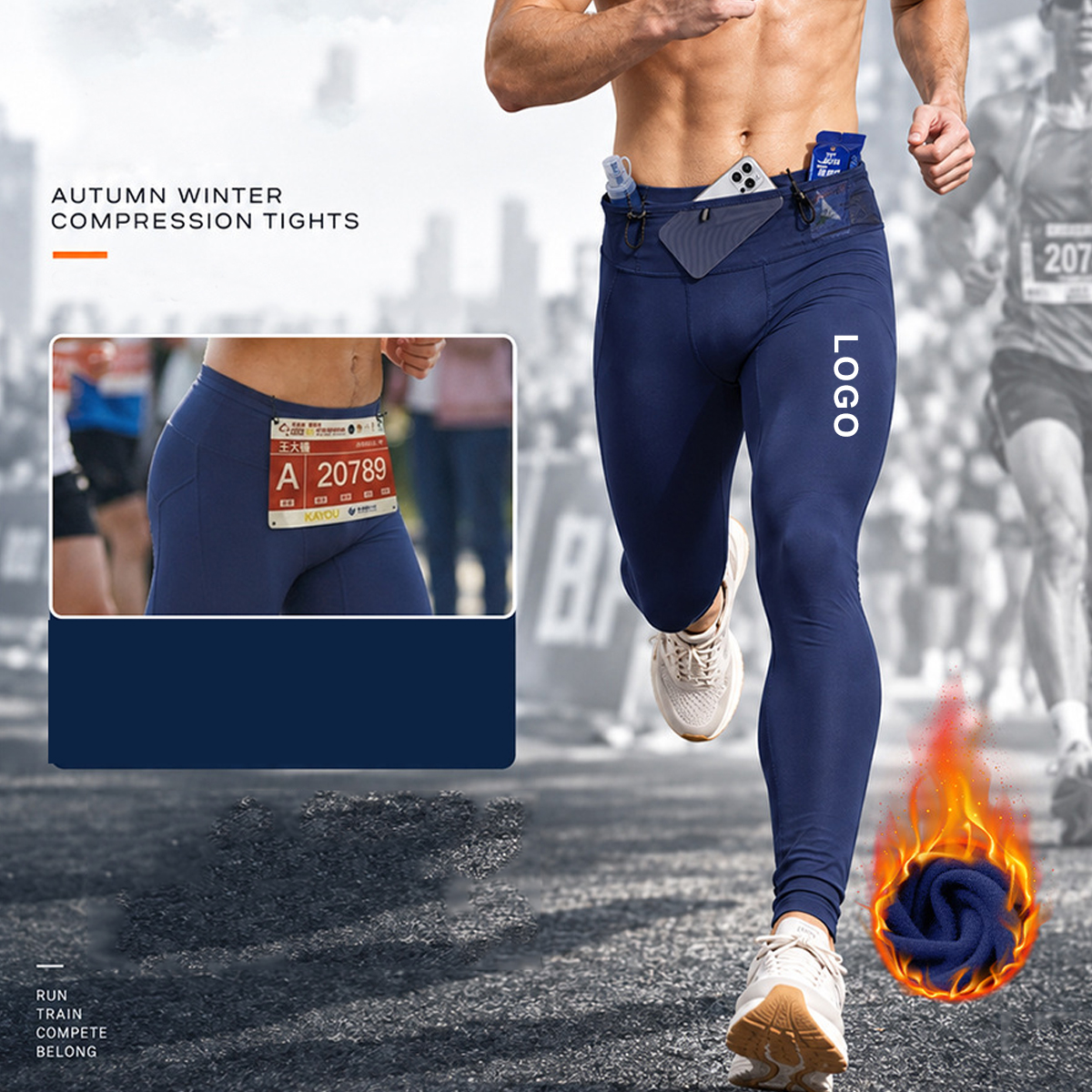
- Hybrid Athleisure Functional Details: Incorporating concealed waistband utility pockets, reinforced flatlock seams on accent panels, and high-recovery fold-over waist structures suitable for low-impact discipline transition.
4. Enterprise Manufacturing Advantages of Zhongshan PASSIVE Clothing Co., Ltd.
Located in the established apparel manufacturing hub of Zhongshan, Guangdong Province, China, Zhongshan PASSIVE Clothing Co., Ltd. operates as a integrated OEM/ODM partner for activewear, yoga sets, sports bras, tennis wear, and casual sportswear collections.
Guangdong Ecosystem Proximity
Our facility benefits from direct proximity to regional raw material markets, specialized dyeing plants, and hardware suppliers. This concentrated supply chain network shortens sample turnarounds and reduces fabric sourcing overhead.
End-to-End OEM & ODM Customization
We support private-label operations from original tech pack execution to ODM design adaptation. Custom options include silicone logo application, custom heat-transfer branding, woven neck labels, custom hang tags, and branded eco-polybag packaging.
Proven Global Export Footprint
With over 8 years of export experience supplying brands across North America, Western Europe, Northern Europe, and South America, our team understands international sizing standards, quality expectations, and customs clearance procedures.
5. Rigorous 3-Stage Quality Assurance Protocol
To eliminate manufacturing defects prior to dispatch, every production batch passes through a structured three-tier quality control workflow:
Raw fabric rolls undergo shade sorting, weight verification (GSM), and stretch recovery testing before cutting.
Stitching technicians monitor flatlock seam integrity, machine tension, and waist alignment during assembly.
Full dimensional measurement audit against spec sheets, squat-opacity checks, and loose thread trimming.
Verification of custom logo positioning, wash instruction tags, barcodes, and hang tag accuracy.
Final pre-shipment carton inspection according to AQL 1.5/2.5 international apparel standards.