Portland, Oregon, recognized globally as the undisputed heartbeat of North American athletic apparel design and running culture, demands an unprecedented level of textile sophistication, environmental compliance, and climate-adaptive performance. As the home to legendary sportswear headquarters, boutique craft running clubs, and demanding trail environments like Forest Park and the Columbia River Gorge, the Portland market serves as a proving ground for activewear brands. For Portland apparel buyers, private label brands, and independent athletic retailers, finding a dependable OEM/ODM manufacturing partner in China is no longer just about low unit costs—it is about securing technological information gain, sustainable material integrity, and flawless execution.
This strategic whitepaper evaluates the manufacturing ecosystem of premium China apparel factories, specifically highlighting specialized production hubs such as Zhongshan PASSIVE Clothing Co., Ltd. By bridging advanced Chinese textile engineering with the precise climatic and aesthetic requirements of the Pacific Northwest (PNW), this guide provides actionable intelligence for apparel directors, supply chain executives, and product developers seeking top-tier running shirts, compression gear, and multi-layer activewear.
Curated Performance Product Catalog for Portland Wholesalers
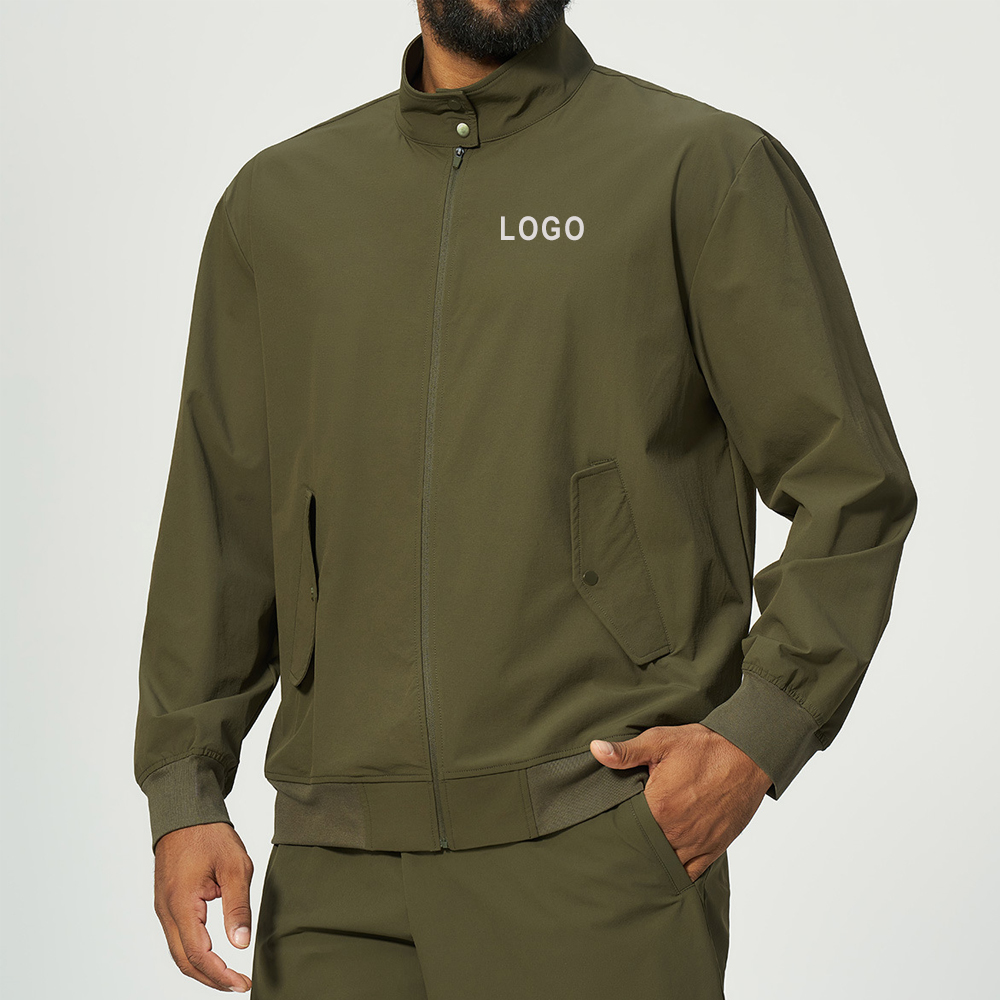
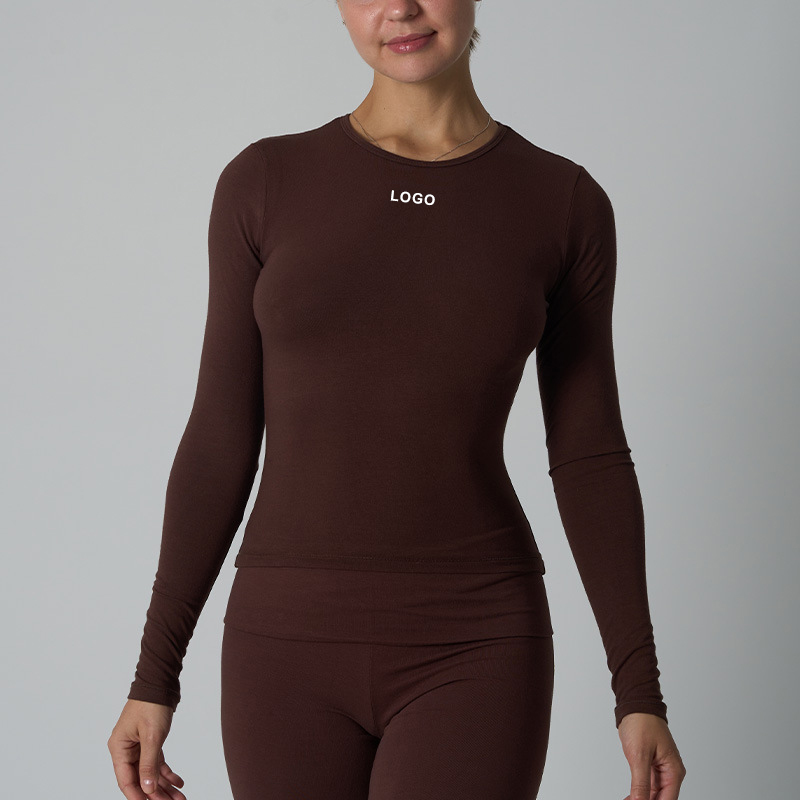
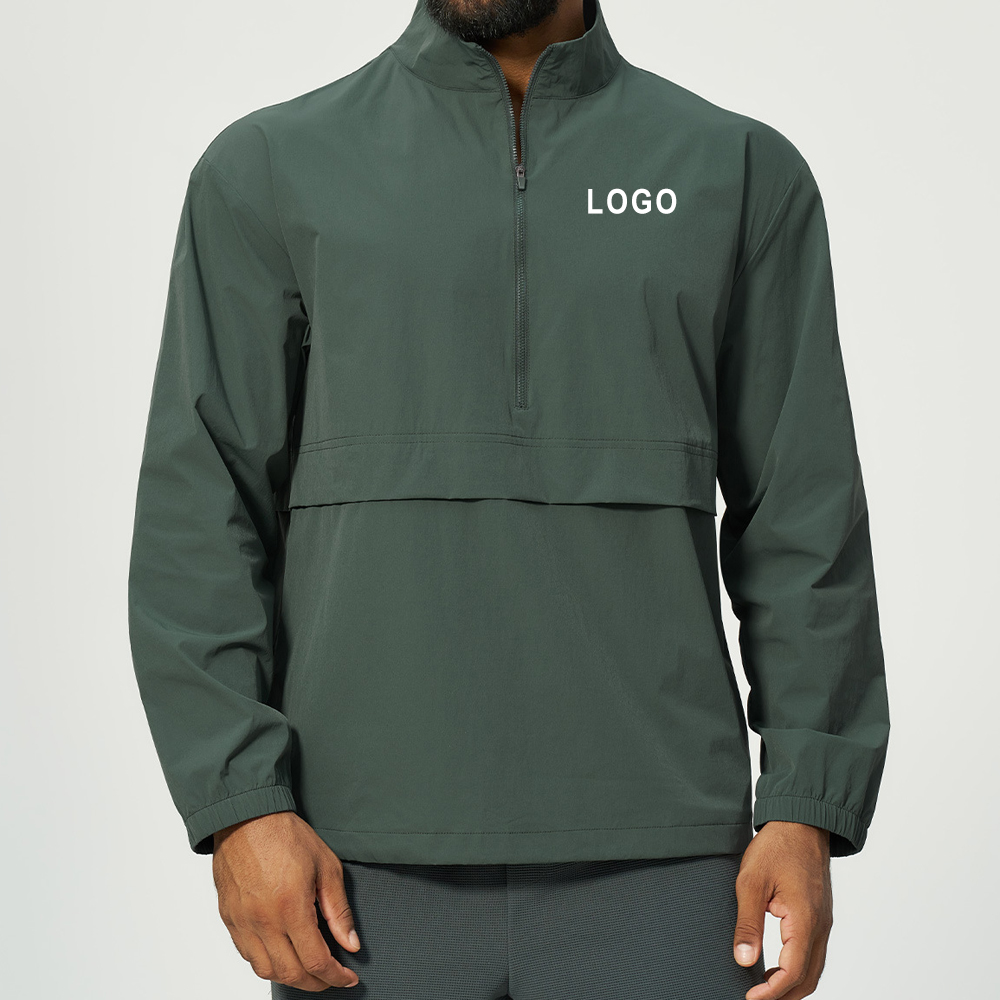
Below is a curated portfolio of high-demand sportswear, running separates, and versatile training ensembles engineered for low-light, variable-temperature, and rain-prone running conditions. Each item is fully customizable via OEM/ODM private label programs.




Portland Market Dynamics: Why Local Intent Demands Technical Innovation
Understanding the Portland athletic apparel consumer requires analyzing the geographical and cultural nuances of the Pacific Northwest. Portland averages over 150 rainy days per year, accompanied by extended overcast winter stretches and humid mild summers. Running is not merely a seasonal activity in Oregon; it is a year-round lifestyle. Consequently, localized market trends reveal four critical intent drivers that Chinese OEMs must satisfy:
1. Climate-Adaptive Layering Systems
Portland runners rarely rely on a single heavy garment. Instead, they favor modular layering—combining lightweight, moisture-wicking base layers (120-140 GSM) with wind-resistant half-zips or water-repellent (DWR) softshells. Running shirts must balance high breathability during exertion with rapid thermal insulation when exposed to wet, wind-chilled ambient air.
2. Eco-Consciousness & GRS Recycled Fibers
Oregon consumers exhibit exceptional sensitivity to environmental stewardship. Wholesalers and private labels in Portland prioritize GRS-certified (Global Recycled Standard) recycled polyester (rPET) derived from post-consumer plastic bottles, as well as organic cotton blends. Sourcing factories must provide full chain-of-custody documentation and eco-dye certificates.
3. Low-Light 360° Reflectivity
With darkness setting in early during winter months, running visibility becomes a paramount safety requirement. Portland buyers demand high-grade retro-reflective vinyl heat transfers, reflective piping along raglan shoulder seams, and glass-bead logo placements that bounce light from automobile headlights at distances over 150 meters.
Localized Application Scenarios: Engineered for the PNW Lifestyle
To create true information gain for your private label collection, running garments must be tailored to specific local terrain and activity profiles across the Portland metropolitan area.
Scenario 1: Forest Park Trail & Leif Erikson Drive Endurance Runs
Environmental Factors: Damp soil, canopy drip, variable shade, brush abrasion.
Garment Specification: High-denier nylon-spandex long-sleeve running tees featuring 4-way mechanical stretch and abrasion-resistant shoulder panels (to prevent pilling from running hydration vests). Moisture-wicking micro-mesh underarm gussets ensure ventilation on steep ascents up Firelane trails.
Scenario 2: Willamette River Loop & Waterfront Dawn Training
Environmental Factors: Cold river breeze, early morning mist, low ambient lighting.
Garment Specification: Windproof half-zip pullovers with durable water-repellent (DWR) chest overlays, thumbhole cuffs to seal out drafts, and silver-ion anti-odor treatments. High-visibility retro-reflective accents along the rear hem keep runners safe across the Hawthorne and Tilikum Crossing bridges.
Scenario 3: Hood to Coast Relay & Team Excursions
Environmental Factors: Continuous multi-leg exertion, rapid garment changes, extreme moisture accumulation.
Garment Specification: Ultra-lightweight 110-120 GSM recycled polyester short-sleeve tops with flatlock 4-needle 6-thread seam construction. Eliminates friction and chafing during prolonged 30+ hour relay events, featuring quick-dry vapor-release technology that dries in under 20 minutes indoors.
Scenario 4: "Trail-to-Taproom" Urban Athleisure Transition
Environmental Factors: Post-run socializing in Eastside brewpubs, requiring subtle aesthetic styling.
Garment Specification: Matte-finish cotton-poly-spandex hybrid tops and casual fleece jackets. Combines technical sweat management on the inside with soft hand-feel heathered aesthetics on the outside, fitting seamlessly into Portland’s relaxed urban culture.
Technical Material Specifications: China Wholesale Manufacturing Matrix
Selecting the correct fabric blend is critical to balance unit landed costs in Oregon with high performance standards. The table below outlines technical benchmarks utilized by top Chinese sportswear manufacturers:
| Fabric Composition | Weight (GSM) | Technical Properties | Best Portland Use Case | Customization Options |
|---|---|---|---|---|
| 88% Recycled Poly / 12% Spandex | 130 - 150 GSM | Moisture-wicking capillary channels, 4-way stretch, GRS Certified | Summer Trail Running Tops & Relay Shirts | Sublimation, Heat Transfer, Custom Dye |
| 85% Nylon 66 / 15% Elastane | 160 - 190 GSM | Cool-touch hand feel, extreme abrasion resistance, shape recovery | Base-layer compression shirts & gym tees | Silicone grip prints, Reflective branding |
| 90% Cotton / 10% Spandex Blend | 180 - 220 GSM | Breathable natural fiber feel, soft touch, mild thermal retention | Fall/Winter Long Sleeve Tops & Yoga Warmups | Screen print, Puff print, Vintage wash |
| 100% Polyester Micro-Fleece / Bonded | 240 - 280 GSM | Windproof backing, thermal insulation, DWR water resistance | Outerwear Bombers & Half-Zip Running Jackets | Custom zip pulls, Embroidery, Color-blocking |
Why Partner with Zhongshan PASSIVE Clothing Co., Ltd.
Located in Zhongshan, Guangdong Province—the heart of South China's premier garment manufacturing hub—Zhongshan PASSIVE Clothing Co., Ltd. stands as a trusted OEM/ODM activewear supplier for high-growth athletic brands across North America, Western Europe, and South America. With over 8 years of specialized export experience, PASSIVE combines modern production machinery, agile prototyping, and stringent quality control protocols.
3-Stage Quality Control Protocol
Every production run undergoes a rigorous 3-stage inspection: Inline sewing checks (verifying stitch count, seam elasticity, and thread tension), Pre-final checks (evaluating garment sizing, stretch opacity, and print durability), and Final pre-shipment AQL 2.5 inspection covering packaging, barcodes, and carton integrity.
Agile Low MOQ to Scale
To help emerging Portland brands reduce inventory risk, PASSIVE offers low flexible order quantities starting from as few as 2 pieces for in-stock catalog styles, scaling up seamlessly to customized private-label bulk production (typically 200 pieces per style/colorway).
Rapid Turnaround & Prototyping
Speed to market is essential in athletic apparel. PASSIVE turns around custom sample requests in 7 to 10 working days, backed by a dedicated customer support team guaranteeing an average inquiry response time under 2 hours.
Portland B2B Sourcing FAQ: Logistics, Customs, & Customization
5-Step OEM Sourcing Roadmap for Portland Apparel Directors
Initiating a custom sportswear program with Zhongshan PASSIVE Clothing Co., Ltd. follows a transparent, quality-assured workflow designed to mitigate risk and guarantee product compliance:
Inquiry & Tech Brief
Submit design concepts, required GSM, estimated target quantities, and desired delivery timelines.
Quotation & Sample
Receive transparent FOB/DDP unit pricing. Pre-production counter-samples are produced and shipped within 7-10 days.
Approval & Deposit
Review fit, fabric stretch, and print accuracy. Confirm sample approval and initiate production deposit.
Bulk Manufacturing
Precision cutting, flatlock stitching, and logo application backed by our 3-stage quality inspection checkpoints.
QC Report & Delivery
Receive final inspection photos and video documentation. Goods are packed and dispatched via air or sea freight.